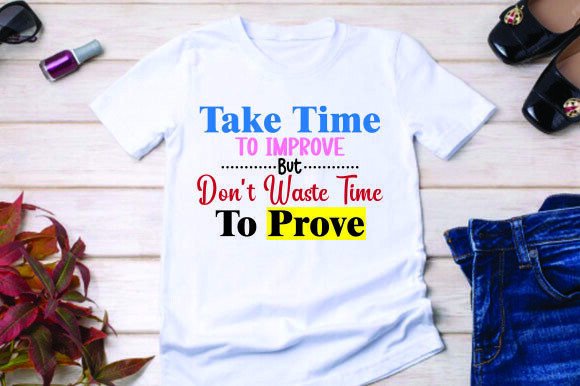
Take Time to Improve, but Don’t Waste Time
As a designer and embroidery product reviewer, I’ve seen countless designs come and go. Some are beautiful, some are functional, and others fall flat in real-world use. Take Time to Improve, but Don’t Waste Time is one that deserves a closer look—especially if you’re planning to use it on custom apparel, personalized gifts, or small business merchandise.
The First Impression: A Message That Resonates
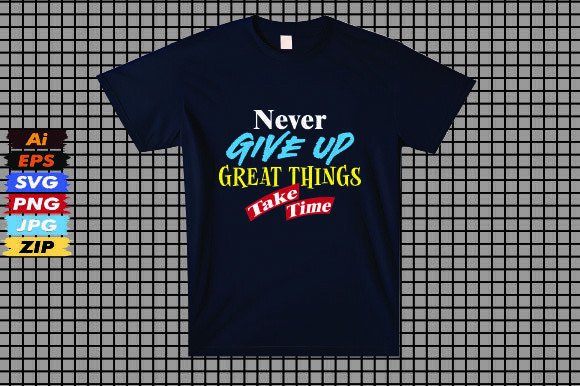
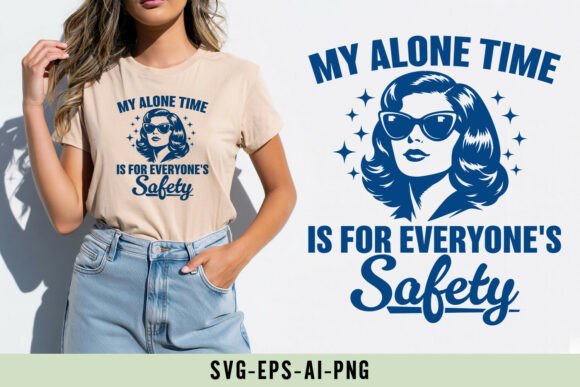
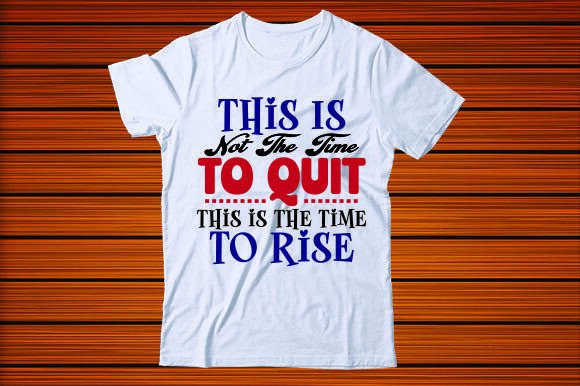
The design’s message is clear and thought-provoking. It carries a sense of intentionality, which makes it perfect for projects that aim to inspire or encourage. The layout is clean, with a balanced composition that allows the text to stand out without feeling cluttered. The font choice leans toward a modern, slightly handcrafted feel, making it versatile enough for both casual and professional settings.
This design feels like it was made for a handmade product, a custom t-shirt, or an embroidered patch. It has the kind of visual personality that can elevate a simple item into something meaningful. Whether it’s for a boutique shop, an Etsy listing, or a holiday gift, it’s got the potential to make an impression.
Real-World Use: How It Performs in Embroidery Projects
When I first saw this design, I imagined it on a tote bag or a sweatshirt—something that could be used daily but still carry a personal touch. In practice, it works well on most standard fabric types, especially when using a proper stabilizer. The stitch density isn’t too heavy, which helps prevent puckering or distortion, especially on thinner materials.
For custom apparel, this design holds up well. It looks sharp on t-shirts, sweatshirts, and even baby clothes. The lettering is legible, and the spacing between words is just right. It’s not overly complex, so it doesn’t require a lot of time or resources to stitch out. That’s a big plus for small business owners or crafters who want efficiency without sacrificing quality.
However, there are some limitations. If you're working with a small hoop size, you might need to break the design into sections. The same goes for textured fabrics or stretchy materials, where the design could shift or lose definition. On dark fabrics, the thread color choice becomes more important—lighter colors may not show up as well unless you adjust your stitching accordingly.
Where to Be Careful: Design Limitations and Considerations
This design isn’t ideal for every project. If you’re planning to use it on a cap or a curved surface, you’ll need to pay close attention to how the letters wrap around. The corners of the text might not hold up as well as they would on a flat surface. Similarly, if you’re working with thin or delicate fabric, the design could become too dense or cause the material to stretch.
For intricate details or tiny lettering, this design may not be the best fit. It’s better suited for larger, bold text that can be easily stitched without losing clarity. If you're looking for something with a lot of decorative accents or layered elements, you might find this design too minimalistic.
Another thing to consider is the intended use. If you’re planning to sell finished products, make sure to check the licensing terms before using the design commercially. Also, test the design on different fabric types and thread colors to ensure it meets your standards.
Impact on Visual Appeal and Customer Perception
When it comes to visual appeal, this design is straightforward but effective. It doesn’t have any unnecessary elements, which means it can blend well with other design elements or stand alone as a statement piece. For handmade products, this kind of simplicity can add a level of professionalism that resonates with customers.
Customers often look for meaning in the items they buy, and this design delivers that. It’s a great conversation starter, whether it’s on a personalized gift, a custom t-shirt, or a boutique product. It also adds value to commercial embroidery projects by offering a clean, modern aesthetic that appeals to a wide audience.
From a branding perspective, this design can help reinforce a message of growth, patience, and purpose. It’s ideal for businesses that want to align their products with positive values or for individuals looking to create meaningful handmade items.
Practical Designer Notes: What to Check Before Using
Before jumping into an embroidery project with this design, here are a few things to keep in mind:
- Test on scrap fabric: Always try the design on a similar material before committing to a final product.
- Check thread color contrast: Make sure the thread color works well against the fabric you’re using.
- Review stitch density: Ensure the design isn’t too dense for the fabric type or hoop size.
- Confirm hoop size: If the design is large, make sure your machine can handle it in one go.
- Inspect small details: Pay attention to how the letters and spacing look when stitched out.
- Test in black and white mockups: This helps assess how the design will appear on different backgrounds.
- Compare light and dark fabric: See how the design looks on both.
- Use proper stabilizer: This helps maintain the design’s integrity, especially on stretchy or thin fabrics.
- Check commercial use rights: Confirm that the design is licensed for the intended use.
- Verify digital file compatibility: Make sure the file formats work with your embroidery software.
Final Thoughts: A Design That Speaks With Purpose
Take Time to Improve, but Don’t Waste Time is a design that offers both practicality and meaning. It’s not the most complex or intricate design out there, but it excels in its simplicity and clarity. It fits well in a variety of embroidery projects, from custom apparel to personalized gifts, and it has the potential to resonate with customers who appreciate thoughtful messaging.
As a designer, I’d recommend this for anyone looking to add a meaningful, high-quality element to their handmade products or small business offerings. Just remember to test it thoroughly and consider the fabric, hoop size, and thread color before moving forward. With the right approach, this design can become a valuable addition to your creative toolkit.