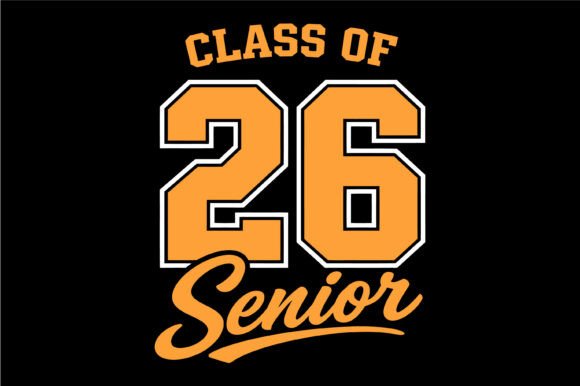
Class of 26 Senior
As an embroidery designer and product reviewer, I’ve evaluated countless machine embroidery designs. The Class of 26 Senior stands out for its clean typography and graduation theme, making it a strong candidate for custom apparel and personalized gifts. But like any design, it has its strengths and limitations that need careful consideration before use.
First Impressions: A Design That Speaks to Graduation
The Class of 26 Senior design immediately conveys a sense of achievement and nostalgia. Its layout is straightforward, with bold typography that works well on t-shirts, sweatshirts, and tote bags. The design’s visual personality leans toward simplicity, which is great for clarity in embroidery but may not suit more intricate or layered projects.
The theme fits naturally into graduation-related products, such as senior shirts, baby onesies, or personalized gifts for graduates. It feels modern yet timeless, which is ideal for both handmade and commercial use. However, the lack of decorative elements means it may not appeal to those looking for more ornate or detailed designs.
Real-World Use: Where Does Class of 26 Senior Shine?
When considering real-life embroidery situations, the Class of 26 Senior excels in custom apparel, especially on cotton or polyester blends. It looks best on light-colored fabrics where the stitching detail is visible. For example, a sweatshirt with this design would make a great promotional item for a school or event.
This design also works well for tote bags, aprons, and pillow covers. The size and layout allow for easy placement without overcrowding the space. As an applique design, it could be used on patches or embroidered on caps, though care must be taken with curved surfaces.
For small business owners and Etsy sellers, the Class of 26 Senior offers a versatile option for holiday or graduation-themed items. It can be used in printable mockups or as part of a digital product preview, giving customers a clear idea of how the finished product will look.
Where to Be Cautious: Limitations and Considerations
While the Class of 26 Senior is visually appealing, there are scenarios where it may not perform as well. On small hoop sizes, the design might require splitting or resizing, which could affect the overall look. Thin or stretchy fabrics may cause the stitches to pull or distort, so a proper stabilizer is essential.
Dense stitch areas, such as filled letters, could lead to puckering if not handled correctly. This is especially true on dark fabrics, where the thread color contrast needs to be carefully chosen. If you’re using this design on a layered garment or textured fabric, test it first to ensure the stitches sit flat and don’t interfere with the fabric’s integrity.
Small details, like tiny lettering or decorative accents, may not translate well in all formats. If the design includes these elements, they should be inspected closely before finalizing a project. Similarly, if the design is meant for commercial use, confirm the licensing terms to avoid any legal issues.
Impact on Visual Appeal and Customer Perception
The Class of 26 Senior design contributes positively to the visual appeal of any project it’s used on. Its clean lines and readable typography make it suitable for both personal and commercial use. When properly stitched, it adds a professional touch to handmade products, enhancing their value and appeal to customers.
From a customer perspective, this design is likely to resonate with graduates, parents, and educators. It’s a recognizable symbol of achievement, making it ideal for personalized gifts or branded merchandise. However, its simplicity may not stand out in a crowded market unless paired with unique fabric choices or creative presentation.
For small shop products or Etsy listings, the Class of 26 Senior can serve as a reliable base for custom orders. It allows for flexibility in color options and fabric types, which can help differentiate your offerings from others.
Practical Designer Notes: What to Check Before Using
Before using the Class of 26 Senior in any project, here are a few key steps to follow:
- Test on scrap fabric: Always try the design on a sample piece of fabric to see how it looks and behaves during stitching.
- Check thread color contrast: Ensure the thread color complements the fabric and doesn’t fade or bleed during washing.
- Review stitch density: High-density areas may need additional stabilizer to prevent puckering or distortion.
- Confirm hoop size: Make sure the design fits within your hoop dimensions or adjust as needed.
- Inspect small details: Pay attention to corners, curves, and lettering to ensure they look clean and sharp.
- Test in black and white mockups: This helps visualize how the design will appear on different fabric backgrounds.
- Compare light and dark fabrics: Some designs may not show up well on darker materials without proper thread selection.
- Use proper stabilizer: This is crucial for maintaining the design’s shape and preventing shifting during stitching.
- Verify licensing: Confirm whether the design is suitable for commercial use or if additional permissions are required.
Final Thoughts: A Solid Choice for the Right Project
The Class of 26 Senior is a dependable machine embroidery design for graduation-themed projects, custom apparel, and personalized gifts. Its clean layout and readable typography make it ideal for t-shirts, tote bags, and other common embroidery applications.
However, it’s important to consider the limitations and test it thoroughly before committing to a larger project. With the right approach, this design can elevate your handmade products, craft business, or small shop merchandise, offering a balance of style, functionality, and practicality.
Whether you're an Etsy seller, a craft fair vendor, or a boutique owner, the Class of 26 Senior provides a solid foundation for creating meaningful and memorable embroidered items.