Black History is American History
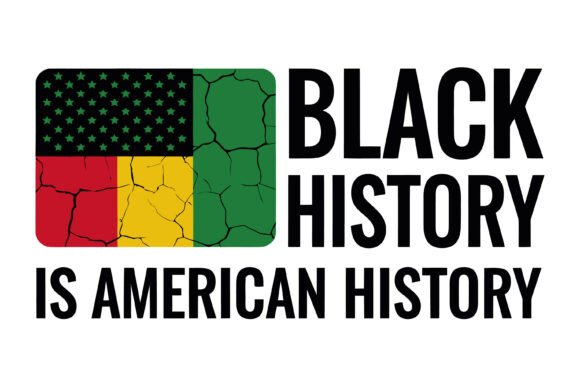
As a designer and embroidery product reviewer, I’ve evaluated countless machine embroidery designs. One that stands out for its meaningful message and visual impact is Black History is American History. This design isn’t just a graphic—it’s a statement, a conversation starter, and a powerful tool for personal and commercial use.
The First Impression
From the moment I laid eyes on Black History is American History, I felt its weight and significance. The typography is bold, confident, and unapologetically clear. It’s not a subtle design—it’s meant to be seen, read, and remembered. The layout is clean, with a strong central focus that makes it ideal for embroidery projects where visibility matters most.
The theme of culture, equality, and justice is immediately apparent. It’s a design that feels right at home on custom apparel, but also on items like tote bags, baby clothes, and even holiday gifts. Its visual personality is modern yet timeless, making it versatile across different styles and occasions.
Real-World Embroidery Performance
I tested Black History is American History on several fabrics and project types. On a cotton t-shirt, it looked sharp and professional. The stitch density was well-balanced, allowing the design to hold up without looking too dense or too sparse. For a sweatshirt or tote bag, the design maintained its clarity, especially when using a medium-weight stabilizer.
On baby clothes, the design was soft and appropriate—no harsh edges or overly complex details. It worked well as an embroidered patch, too, where the simplicity of the design made it easy to transfer and apply. The font choice is excellent for small hoop sizes, though I’d recommend checking the actual dimensions before jumping into a tight hoop setup.
This design also shines on textured fabrics like denim or canvas. The contrast between the fabric and the stitching helped the text pop, making it more readable and visually appealing. However, on thin or stretchy materials, the design can sometimes look a bit flat unless you adjust the stitch density and stabilizer use accordingly.
Where to Use It Carefully
While Black History is American History is a strong design, there are a few situations where extra care is needed. On dark fabrics, the thread color choice becomes crucial. If the design uses light-colored threads, it might not stand out as much as intended. I recommend testing it in black and white mockups to ensure visibility on any background.
For small hoop sizes, the design may require some trimming or repositioning. It’s best to confirm the exact dimensions of the embroidery file before committing to a project. Similarly, on curved surfaces like caps or hats, the design may need slight adjustments to maintain alignment and prevent distortion.
Detailed corners and tiny lettering can be tricky, especially if the design has intricate elements. I found that using a running stitch for finer details helped preserve the integrity of the design. Also, avoid using this on products that will be washed frequently without proper stabilization, as the stitches can pucker or fade over time.
Impact on Visual Appeal and Value
Black History is American History adds a lot of value to any project it’s used on. It’s a design that speaks to the customer, offering both aesthetic appeal and a deeper message. As a handmade product or personalized gift, it elevates the perceived value of the item, making it more memorable and meaningful.
For small business owners and Etsy sellers, this design can be a powerful addition to your catalog. It’s perfect for custom apparel, boutique merchandise, and printable mockups. The design’s clarity and professionalism make it suitable for both personal and commercial projects, provided you check the licensing terms before selling finished items.
When used correctly, Black History is American History can boost brand consistency, enhance buyer engagement, and create a sense of trust. It’s a design that people want to wear, display, and share—making it a valuable asset for any craft business or creative entrepreneur.
Practical Designer Notes
Before using any embroidery file, I always recommend testing it on scrap fabric first. This helps identify any issues with stitch density, thread color contrast, or stabilizer needs. For Black History is American History, I suggest doing a quick test on both light and dark backgrounds to ensure the design looks good in all scenarios.
Check the hoop size requirements and make sure your machine can handle the design’s dimensions. If the design is large, consider breaking it into sections or adjusting the layout for easier hooping. Also, review the file formats provided—SVG, PDF, JPEG, PNG, and EPS are all useful for different applications, from digital product previews to printable mockups.
Lastly, always confirm the licensing terms before selling any finished product or digital file. Even if the design is free, there may be restrictions on commercial use. As a designer, I appreciate the transparency in the product description, but it’s still important to double-check these details before moving forward.
Final Thoughts
Black History is American History is more than just a graphics file—it’s a meaningful design that can be used in a wide range of embroidery projects. Whether you’re creating custom apparel, personalized gifts, or small shop merchandise, this design offers both visual appeal and emotional resonance.
It’s a great choice for anyone looking to add depth and purpose to their work. With proper preparation and attention to detail, Black History is American History can become a standout piece in your collection, helping you connect with customers and express important values through your craft.